
Episode 10 (Solocast) - The Signs Are Always There…
The Signs Are Always There: What Artefacts Reveal About Organisational Culture
Walk into a workplace, sports club, café, boardroom or even someone’s home, and you will usually know something about the culture within seconds.
Before anyone speaks, the room has already said a lot.
The artwork on the wall, the layout of the space, the uniforms, the symbols, the memorabilia, the tone of the signage, the way people greet each other, even the atmosphere itself — these are all clues. In organisational culture, these visible signs are called artefacts. They are the surface layer of culture, but they often tell the truth faster than a mission statement ever could.
That is the central idea behind Episode 10 of Culture360: culture is not just what organisations say. It is what people see, feel and experience.
What artefacts really tell us?
Edgar Schein’s model of organisational culture is helpful here. He described culture as having visible artefacts, stated values, and deeper underlying assumptions. Artefacts are the easiest to see, but they are not always the easiest to interpret. A polished office can suggest ambition and professionalism. A cluttered one may suggest creativity, instability, or neglect. A uniform can signal unity, discipline or status. A ritual can signal belonging, hierarchy or pride.
The important point is this: artefacts are never neutral. They communicate identity.
That is where semiotics comes in — the study of signs and symbols and the meanings people attach to them. A badge, a flag, a logo, a crest, a jersey or a uniform can trigger instant emotional responses. Some symbols evoke loyalty, pride and belonging. Others can evoke distance, suspicion or even disdain. That emotional power is exactly why organisations, sports clubs and brands care so much about what they display.
Artifacts, signs and symbols in history
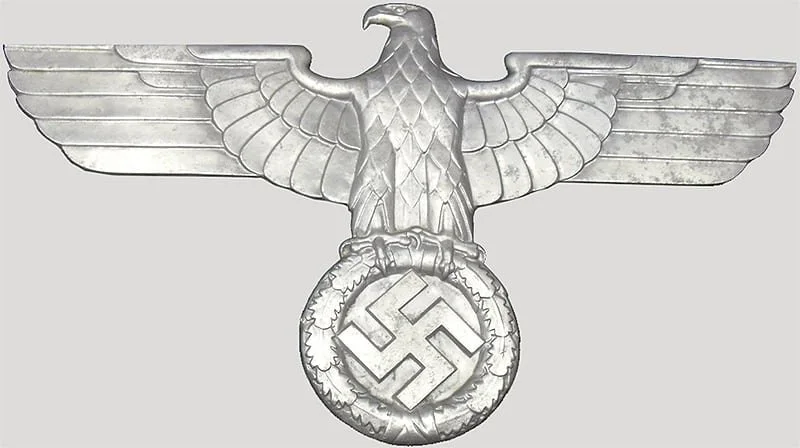
The eagle is one of the most fascinating examples of semiotics — the study of signs, symbols and meaning — and perfectly illustrates how artefacts shape culture and identity. Throughout history, the eagle has repeatedly been used to communicate power, authority, pride and strength, yet the meaning attached to it has shifted dramatically depending on the society behind it.
The Romans carried the eagle into battle as a sacred military standard representing imperial conquest and dominance. Roman soldiers protected it fiercely because it symbolised the identity and authority of Rome itself.
Centuries later, Nazi Germany adopted the eagle as a symbol of authoritarian nationalism and state power, attaching far darker associations to the image in modern history.
In contrast, the United States embraced the bald eagle as a national symbol of freedom, independence and courage, embedding it into government seals, military insignia and national identity.
What makes this so compelling from a culture perspective is that the symbol itself never changes — the eagle remains the eagle — but the meaning people attach to it is shaped through history, behaviour, storytelling and emotional experience.
That is the power of artefacts and symbols. They are never “just images”. Over time, they become emotional triggers connected to memory, identity, values and belief — which is exactly why organisations, nations, sports clubs and brands continue to use them so deliberately today.



Why symbols matter so much?
Sport understands this instinctively.
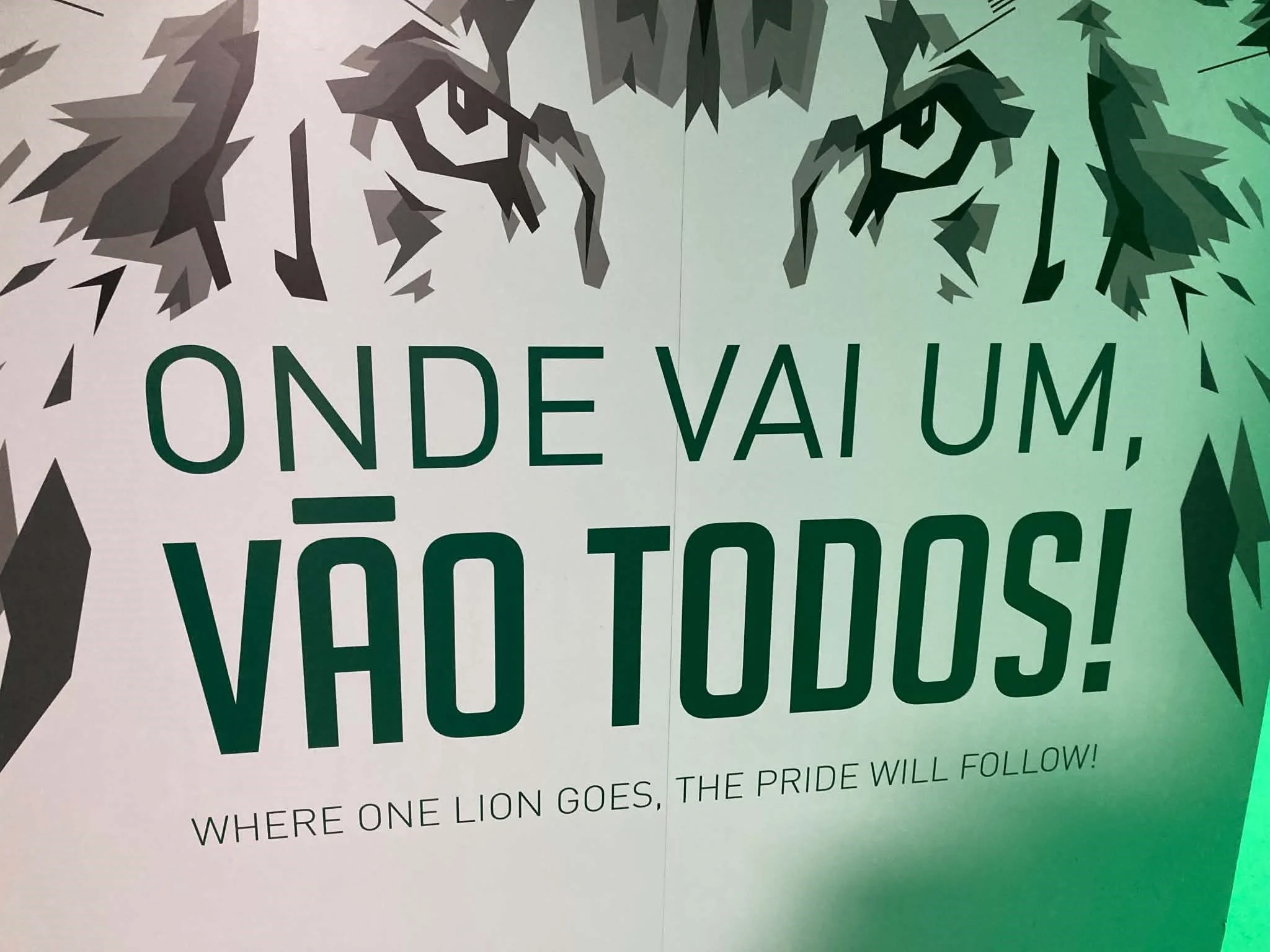
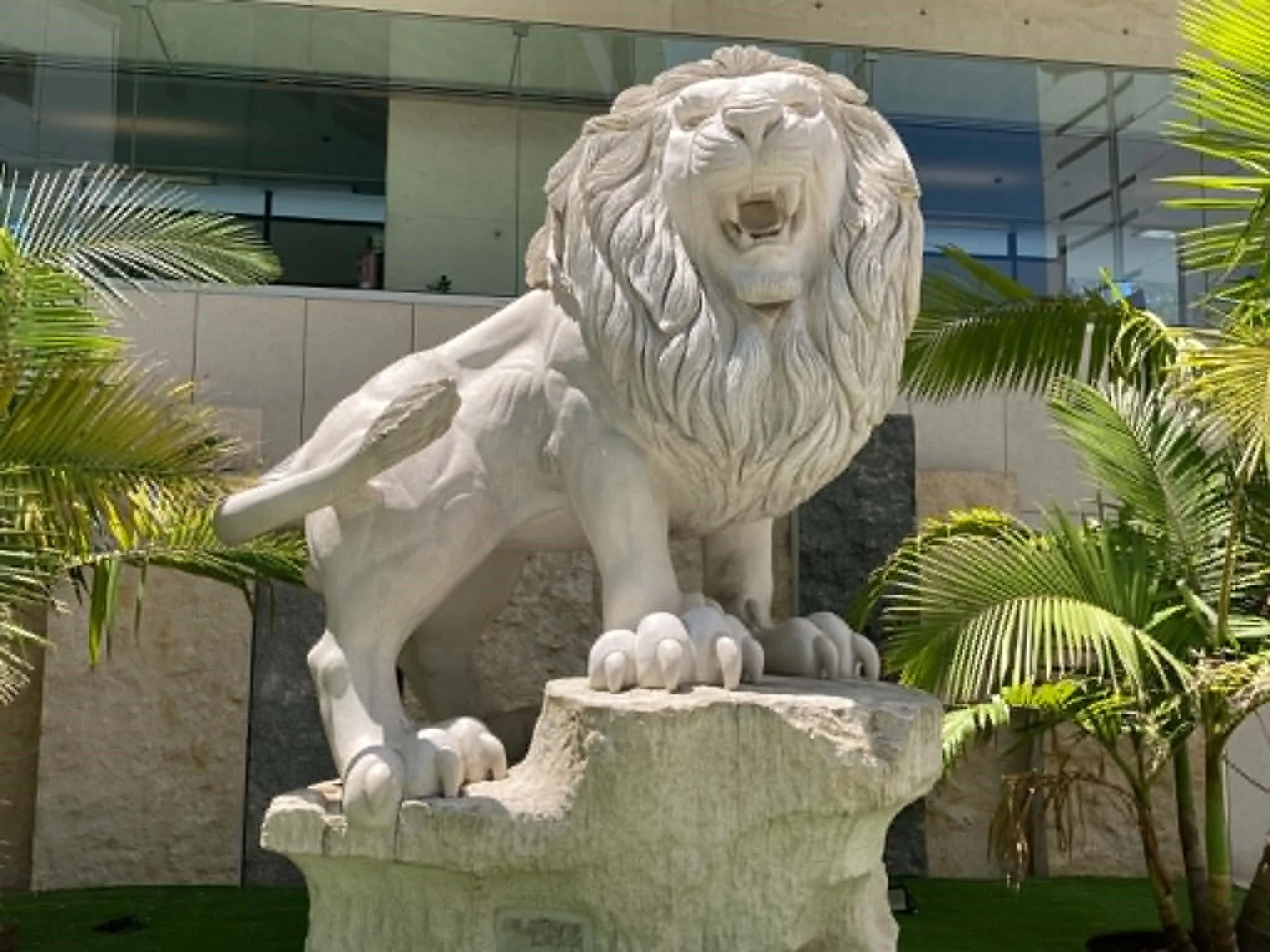
Teams do not choose lions, eagles, bulls or hawks by accident. They choose them because those animals carry meaning. The lion suggests courage, power and dominance. The eagle suggests vision, authority and strength. Symbols do not create meaning automatically, but people give them meaning through history, story, ritual and repetition.
That is why a crest can matter more than a slogan. A logo can outlive a campaign. A symbol can become part of identity.
In football, for example, the eagle and the lion do much more than decorate a badge. They become shorthand for a club’s character, legacy and emotional pull. Fans do not just support a team intellectually. They belong to it. The symbol becomes part of memory, family, place and tribe.
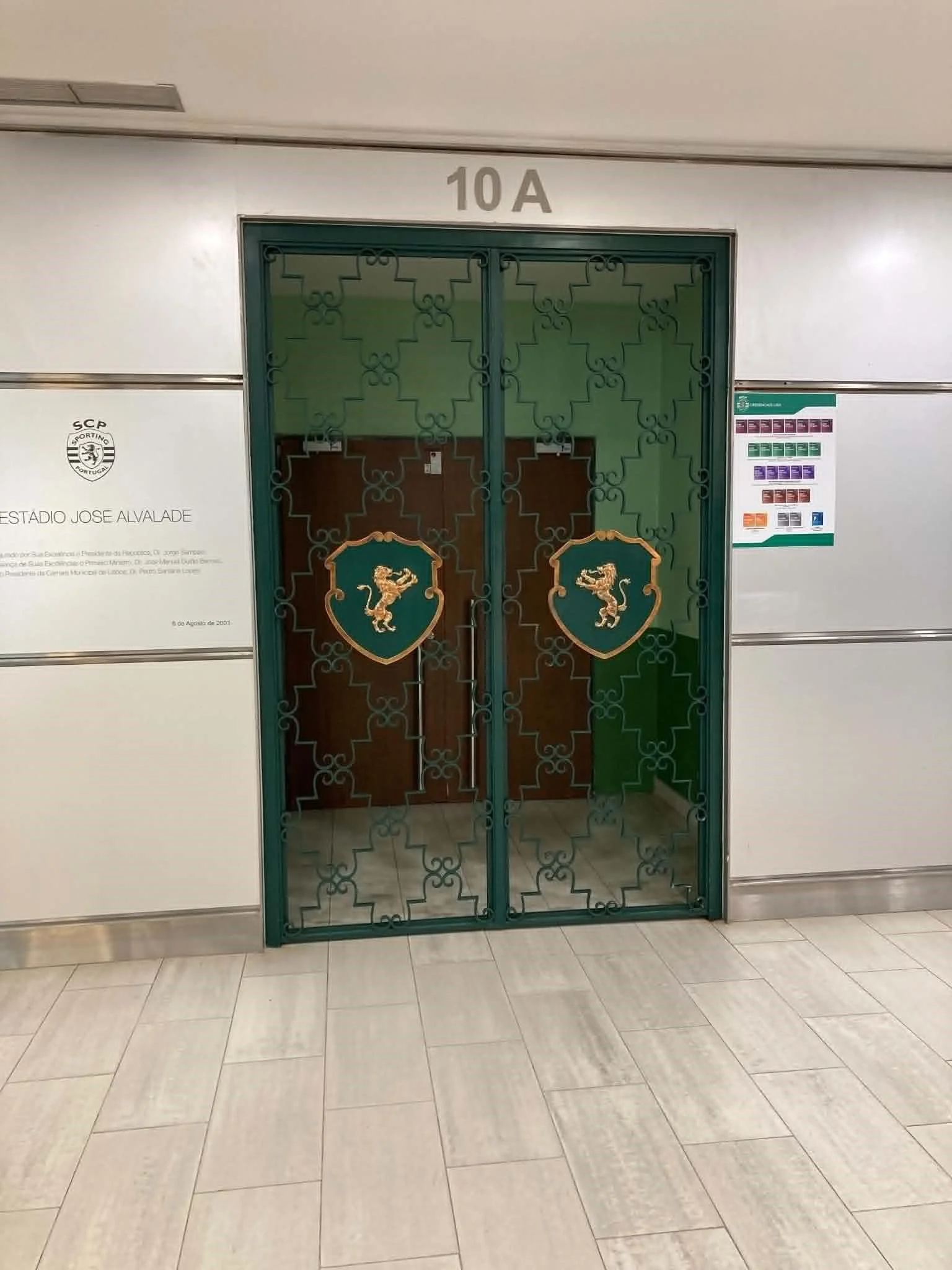
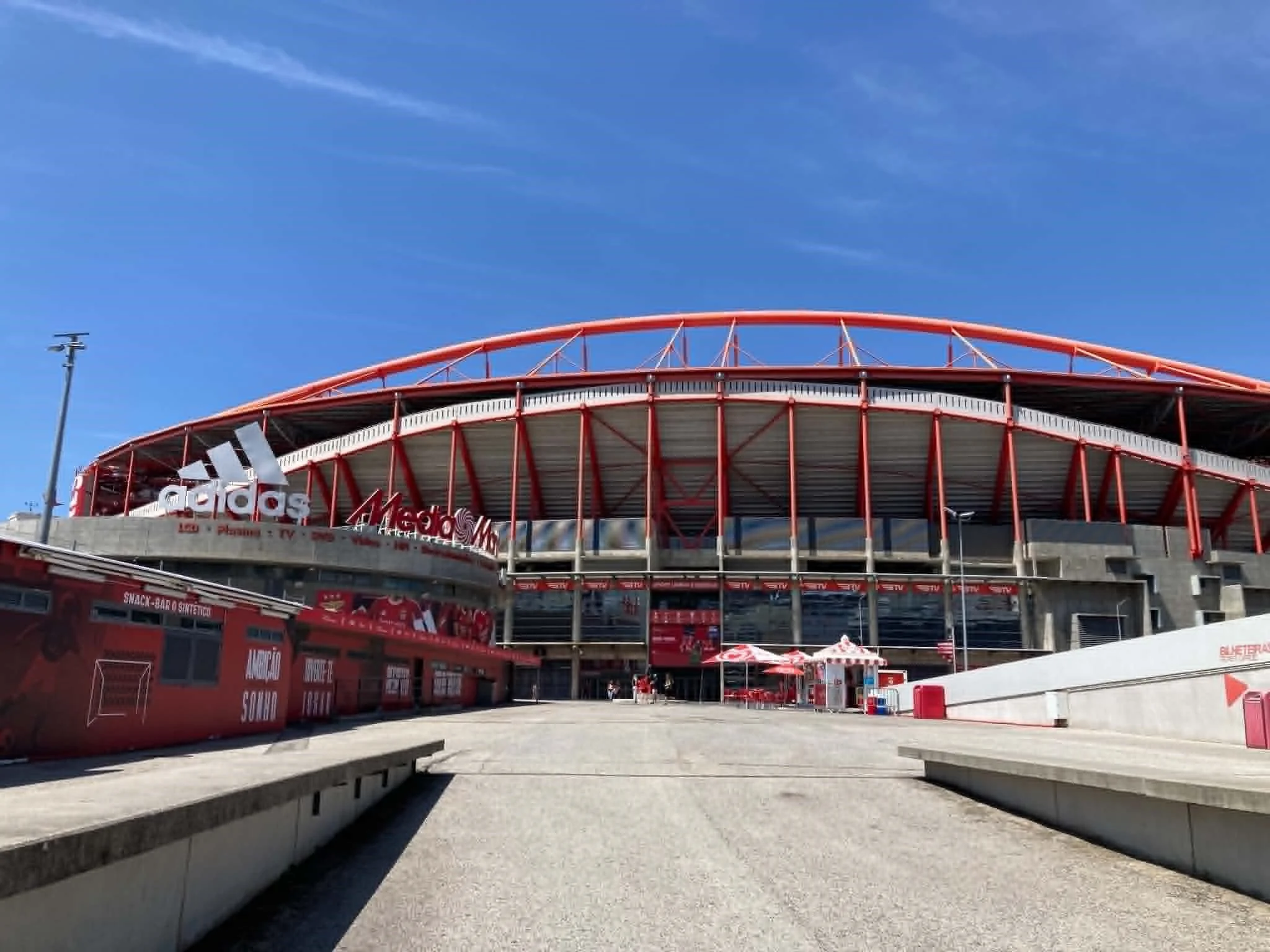
Benfica, Sporting Lisbon and the power of experience
One of the strongest lessons from Episode 10 comes from the contrast between Benfica and Sporting Lisbon.
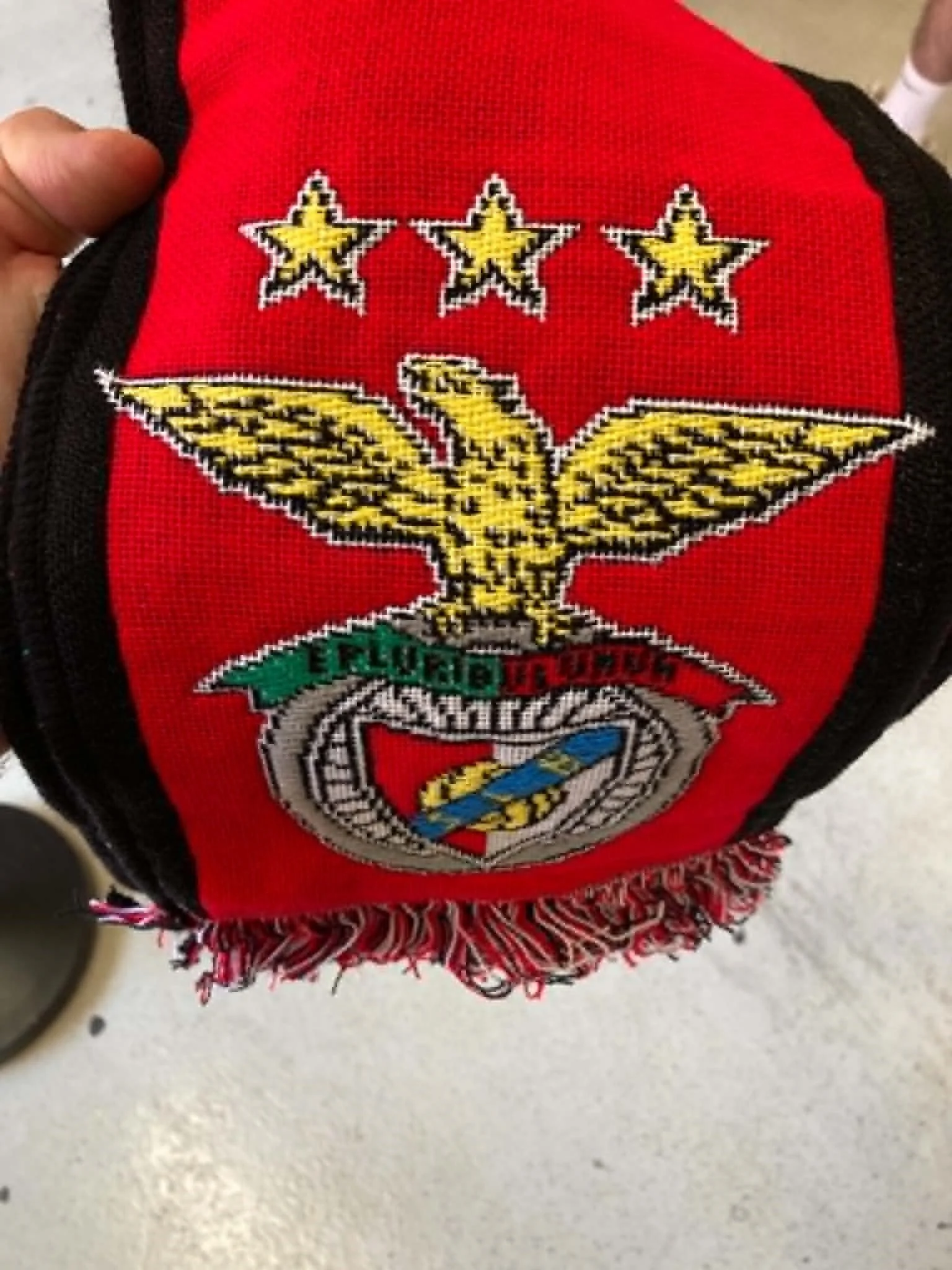
Both are giants of Portuguese football. Sporting has produced world-class names such as Cristiano Ronaldo, Luís Figo and Bruno Fernandes. Benfica has one of the most recognisable symbols in European football: the eagle.
But the bigger story is not just the badge. It is the experience.
At Benfica, the stadium tour, museum, branding and fan experience reinforce a strong sense of pride, history and professionalism. Even small touches, like a free scarf, create belonging. The whole environment says: this club matters, and it knows who it is.
That is the power of artefacts done well. They create emotional alignment. They make a visitor feel something before a word is spoken.
Sporting’s story reminds us of the opposite. Even with a rich football history and extraordinary players, the visible experience can feel more amateur if the environment is not aligned. When the signs and symbols do not match the story being told, people feel it immediately.
That lesson applies far beyond football.





Volkswagen: when the symbol and the behaviour no longer match
Volkswagen is another powerful example.
For decades, the Beetle carried a reputation for reliability, durability and good engineering. It became more than a car. It became identity, memory and trust. The shape itself became an artefact of the brand.
But the Dieselgate emissions scandal damaged that trust badly. The issue was not just technical. It was cultural. The behaviour underneath the brand no longer matched the image being projected.
That is one of the hardest truths in culture: artefacts can build trust slowly, but behaviour can destroy it quickly.
If the symbols promise one thing and the lived reality delivers another, people notice. They may not always be able to explain it, but they feel the disconnect.




What this means for leaders?
For leaders, HR teams and brand builders, the practical lesson is simple: audit the signs.
Ask these questions:
What does our space say before we do?
What does our logo, dress code or meeting style communicate?
Do our rituals reinforce the values we claim to hold?
Do people experience the culture we say we have?
If you say people matter, do your rituals, meetings and recognition practices show that?
If you say collaboration matters, does the layout, communication style and decision-making process support it?
If you say trust matters, are you creating consistent, visible experiences that build it?
These questions matter because culture is built through repeated experiences. Monday meetings, onboarding, award nights, team huddles, public rituals, office design, uniforms, tone of voice and leadership presence all become part of the culture story.
You cannot physically see trust or belonging. But you can see the behaviours, symbols and environments that create them.
A useful challenge for the reader…
The next time you walk into a business, a sports club, a meeting room or even someone’s home, pause and look around.
What are the artefacts telling you?
What values are being communicated before anyone speaks?
What identity is being projected through the symbols, layout, colours, trophies, photos, books, uniforms and atmosphere?
That habit changes the way you read culture. It makes you more observant, more discerning and more intentional. It also helps you lead more effectively, because once you can see the signs, you can start shaping them.
The takeaway
The signs are always there.
The question is whether we notice them.
Artefacts are not the whole of culture, but they are often the first clue. They tell people how things work around here. They can create trust, pride and belonging, or they can expose a gap between image and reality.
If you want a stronger culture, start by paying attention to the visible one.
Because culture leaves clues everywhere.
Further reading and useful resources
If you want to explore the ideas behind this episode, these are worth looking up:
Edgar Schein, Organizational Culture and Leadership
MIT Sloan’s summary of Schein’s three levels of culture
CXL’s overview of semiotics in marketing and branding
Research and commentary on the Volkswagen emissions scandal
Background on Benfica vs Sporting Lisbon and the symbolism of club identity
In case you missed it…
Episode 8 of the Culture 360 Podcast — Everyday Moments, Hidden Beliefs, Lasting Culture — where I explored the psychology behind how culture is formed and why leaders need to pay closer attention to the experiences they create every single day.