
Episode 4 (Podcast) - Going Underground: Working with Primary Emotions and Navigating Workplace Dynamics
In this intriguing episode James Nelson explains how counselling principles illuminate organisational culture.

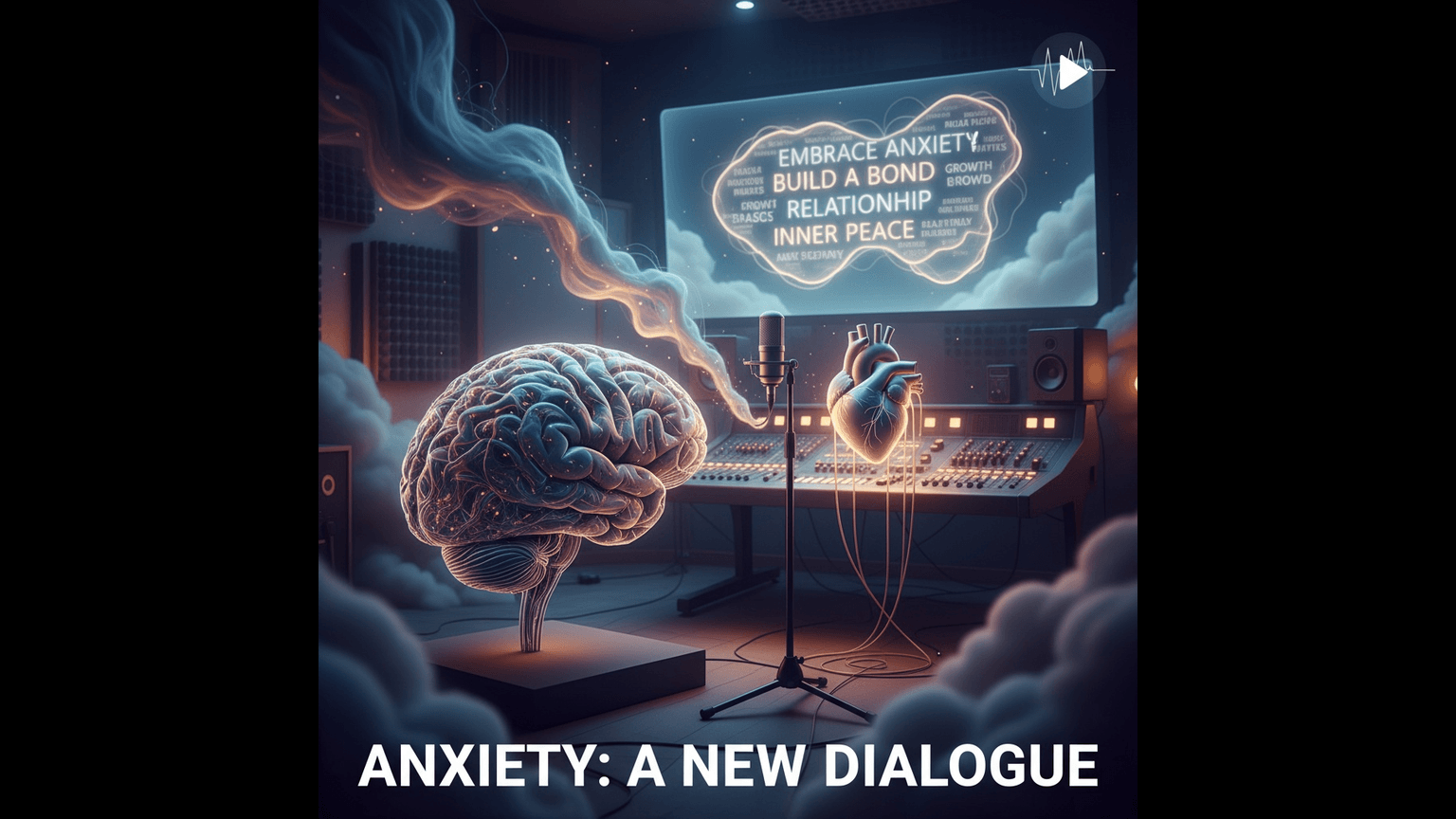
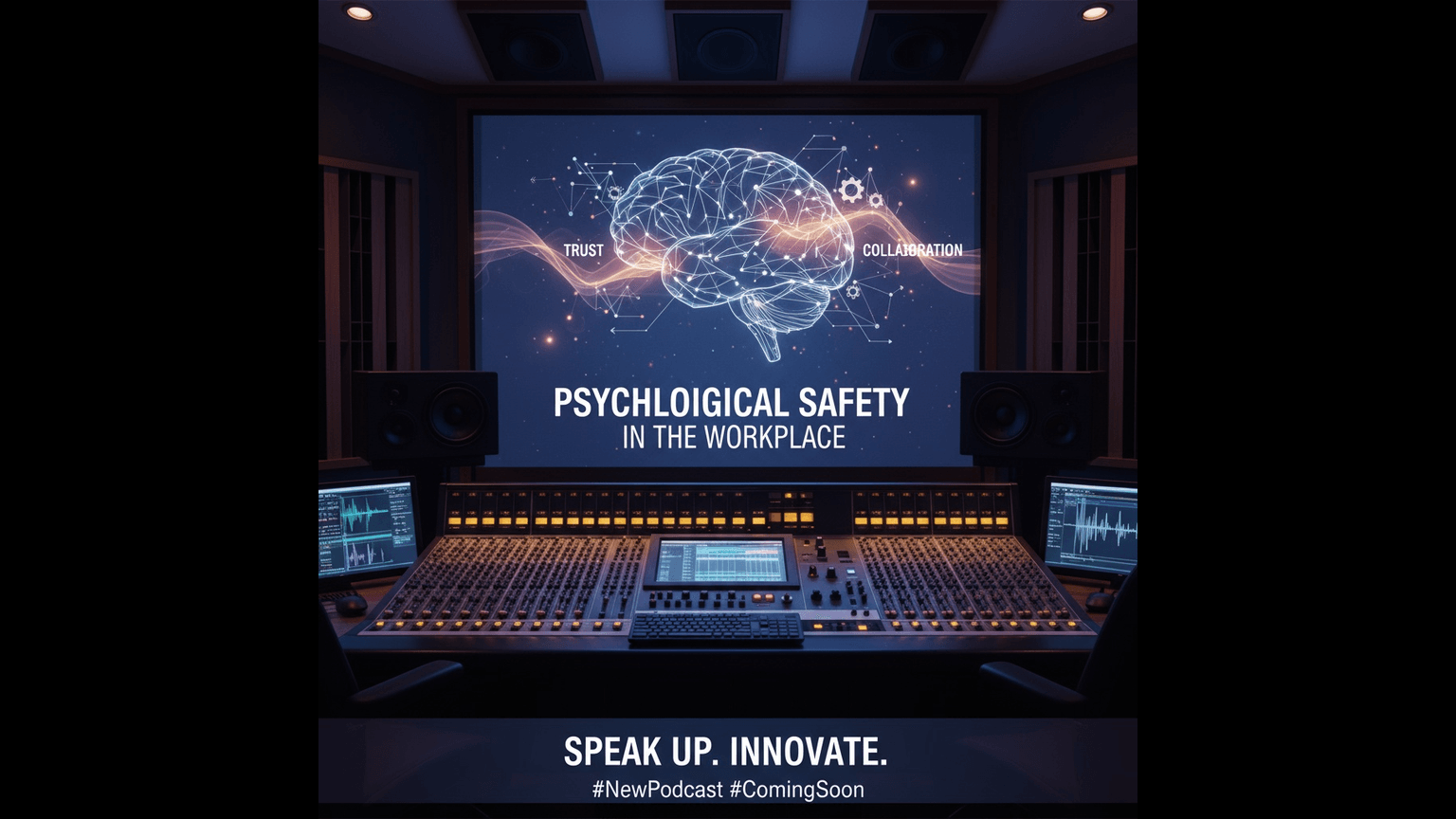

The Culture 360 Blog & Podcast (Ep 4): Going Underground: Working with Primary Emotions and Navigating Workplace Dynamics
In Episode 4 of the Culture 360 Podcast, host Stu Savage from The Culture Room interviews counsellor and consultant James Nelson about how counselling principles illuminate organisational culture — from psychological safety and values work to managing anxiety, trauma-informed practice, rituals (the 1% plays) and practical tools such as grounding, assertiveness training and the CGTM trauma approach. The episode connects individual inner processes to team dynamics, providing leaders with tangible starting points to create a safer, kinder, and higher-performing culture.
To listen to the full episode of The Culture 360 Podcast (Ep 4) on the YouTube channel, click here - Going Underground: Working with Primary Emotions and Navigating Workplace Dynamics. Alternatively, listen to the podcast by clicking the bar below or head to Spotify, Apple Podcasts or Amazon Music and search for ‘The Culture 360 Podcast’:
Why this episode matters?
Counselling isn’t just for personal therapy — James shows how the same human truths (trust, safety, story, nervous-system awareness) underpin healthy teams. The interview explains why cultural problems often show as anger, avoidance or “too-good-to-be-true” smiles, and how to begin working beneath the surface rather than patching symptoms.
1. Culture shows up as atmosphere — trust the “vibe”
When James walks into a workplace he gauges the atmosphere immediately: is it guarded, performative, or open? That first impression often points to deeper dynamics. Leaders should treat initial “vibe checks” as data, then investigate gently.
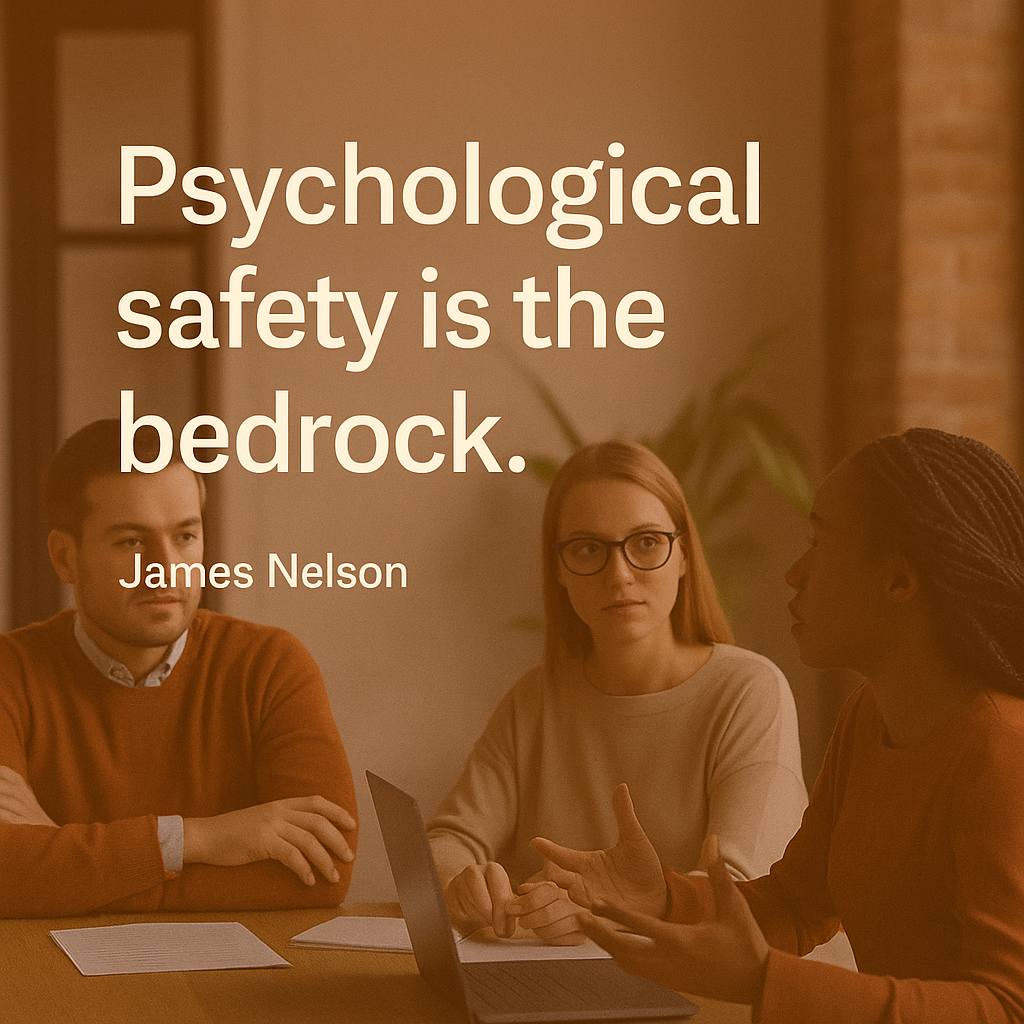
2. Psychological safety is the bedrock
Psychological, emotional and physical safety are the foundation of learning and performance. Without them, rituals, training and even KPIs fail. Prioritise safety-building before pushing performance initiatives.
3. Anger is often a secondary emotion — look underneath
“Anger as a secondary manifestation … what’s happening for people underneath that?”
Anger and conflict usually mask fear, shame or grief. Counselling-style listening (not just surface problem-solving) helps unearth the primary feelings that fuel toxic behaviours.
4. Confidentiality and feedback require design
360° feedback or anonymous surveys can leak or be distrusted. Design feedback channels with clear rules, trust-building, and careful anonymisation or moderated synthesis of themes to avoid harm.
5. Values are useful only when translated into habits and rituals
Values work becomes powerful when translated into daily “1% plays” — tiny rituals that reinforce desired behaviour and make values lived rather than aspirational.
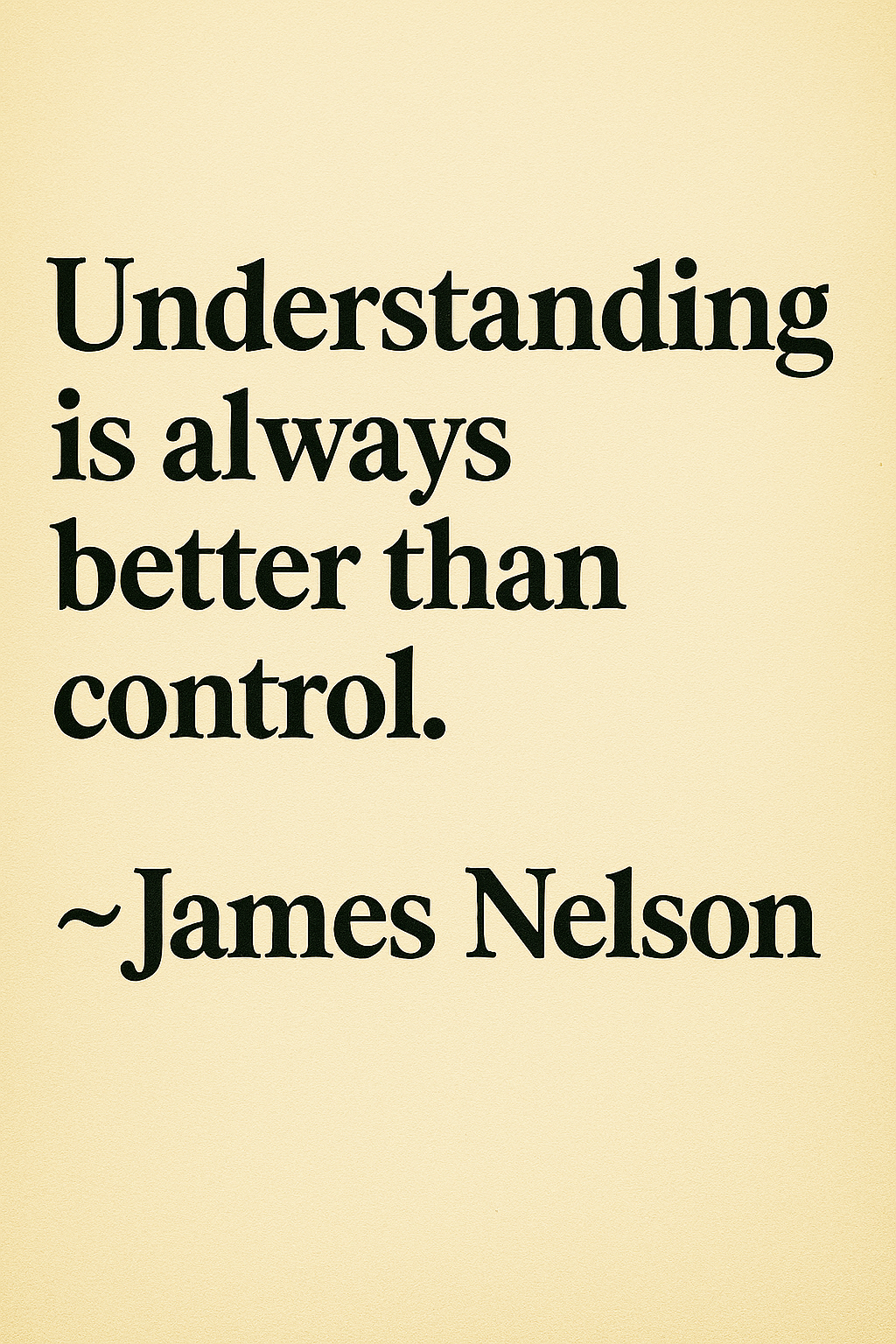
6. Understanding before fixing
Quick fixes can backfire. The counselling approach favours deep listening and uncovering patterns before prescribing solutions. This reduces symptom-chasing and improves long-term outcomes.