
Episode 5 (Podcast) - Navigating Educational Culture and Climate: Leadership Lessons




The Culture 360 Blog & Podcast (Ep 5): The Smell of Self-Esteem: Building Culture & Climate in Schools That Lasts
When Assistant Head Teacher Duncan Morrison reflects on school culture, he doesn’t reach for theory—he talks about a feeling. “The smell of self-esteem”, as he calls it, is the unmistakable energy when students want to be there, when they feel seen, safe, and valued.
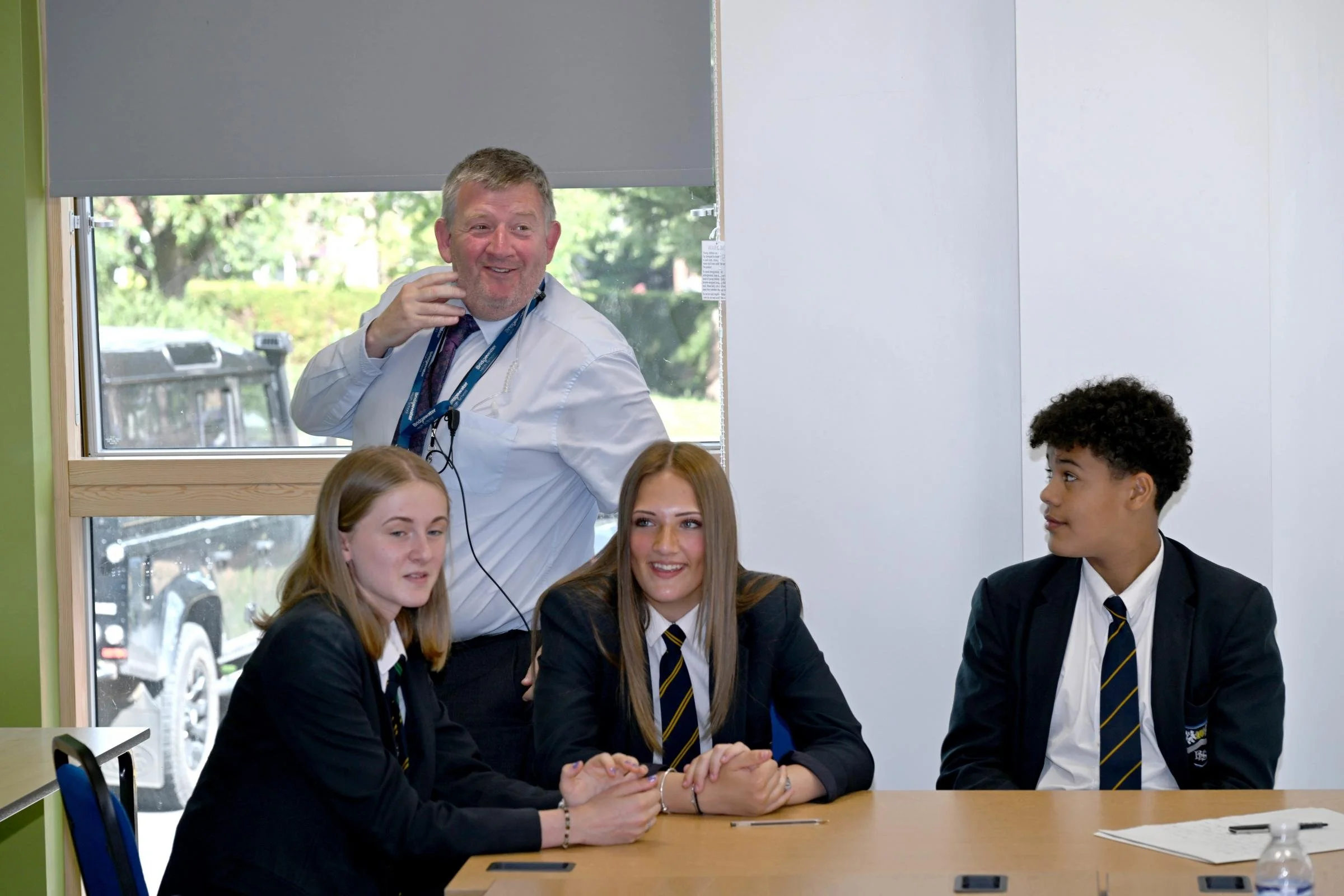
In episode five of the Culture 360 Podcast, host Stu Savage caught up with Morrison from Bridgewater High School in Warrington, UK, to talk about what makes school culture thrive—and what eats away at it. The conversation stretched from post-COVID belonging to emotional intelligence, leadership consistency, and those micro-moments that define how a school “feels.”
To listen or download the audio version of the podcast please click the bar below or head to Spotify, Apple Podcasts or Amazon Music and search for ‘The Culture 360 Podcast’:
Culture vs Climate: The Rules of the Club
Morrison makes a clear distinction between culture and climate:
“Culture is the mesh—the rules, attitudes, beliefs, perceptions, and relationships that make up the school. Climate is what that creates: what makes you want to come back every day.”
In his words, school culture is like the “rules of the club”. Everyone—teachers, students, parents, and staff—agrees to them. When these rules are clear and consistent, belonging follows. When they’re not, disconnection creeps in.
Belonging After the Break
The word belonging comes up a lot in Morrison’s work. And it’s no coincidence. The pandemic broke something deep in education’s social contract.
“Before COVID, we said to kids: ‘School is the most important place you can be.’ Then overnight, we said: ‘Stay home—it’s safe.’ That changed everything”.
For some students—particularly from disadvantaged or working-class backgrounds—it confirmed what they already suspected: school isn’t for me. The challenge for educators now, Morrison says, is rebuilding that sense of belonging from the ground up. It starts not with curriculum or policy, but with safety, empathy, and connection.
The Three R’s: Routines, Relationships, Responses
Morrison’s practical framework for culture is refreshingly simple:
Routines – Set the structure and expectations.
Relationships – Build genuine connections, not control.
Responses – Handle conflict with consistency and care.
“People don’t do things for people they don’t like,” he explains. “Relationships are the cornerstone. When you get them right, routines and responses follow”.
This philosophy ties into his passion for relational practice, where teachers are trained to notice, listen, and invest emotionally—not just manage behaviour. It’s not about being soft; it’s about being consistent and human.
Poker Chips and the Power of Positive Reinforcement
One of Morrison’s most memorable metaphors is the idea of poker chips. Every interaction with a student either adds or removes chips from their self-esteem.
“If you tell a student off for having their blazer undone, you’ve just taken seven poker chips. But if you thank them for fixing it and being part of your class, you give back twenty”.
Those small deposits build emotional credit—what Morrison calls “emotional currency”. The more you’ve built, the more you can “spend” when hard conversations or corrections are needed. It’s simple psychology with profound cultural impact.
The Glue and the Solvent
When asked what holds a school together, Morrison didn’t hesitate:
“Culture is the glue. But inconsistent leadership—that’s the solvent that eats it away.”
He warns against leaders who say one thing and do another. Authenticity and alignment matter. Staff and students watch what you do, not what you say. The “do as I say, not as I do” mindset is, in his words:
“the definition of toxic school culture”
Practical Takeaways for Leaders and Educators
Whether you’re leading a school, a workplace, or a sports team, Morrison’s insights hit home. Here are key takeaways you can put into action:
Define your “rules of the club.” Everyone should know what you stand for—and feel part of shaping it.
Focus on relationships, not just results. People perform for those they trust.
Catch people doing things right. Reward and recognition build momentum.
Be consistent. Leadership alignment is the backbone of strong culture.
Rebuild belonging intentionally. Post-COVID, connection and safety must come before compliance.
Model empathy. It’s not weakness—it’s the foundation of influence.
Culture Is…
In the end, Morrison sums up his philosophy in one simple sentence:
“Culture is the development of belonging for all pupils in school”
And maybe that’s the biggest leadership lesson of all—creating environments where everyone feels they belong, believes they matter, and wants to come back tomorrow.
To read more about Duncan Morrison and his achievements at Bridgewater High School in the UK click the link: Top honour for Bridgewater’s “inspirational teacher and mentor” | Warrington Guardian